




Preserving History, Enhancing Security
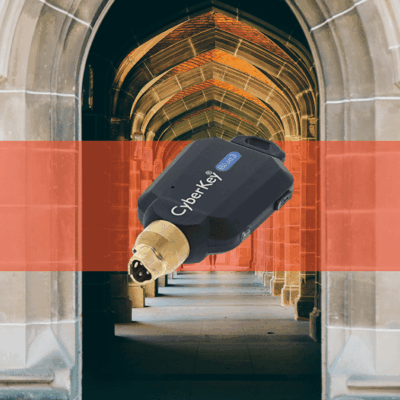
Securing heritage-listed buildings requires a delicate balance between protection and preservation. These sites hold architectural and cultural significance that must remain untouched, yet they still demand modern security to protect staff, visitors, and invaluable artefacts. Traditional electronic access control systems often require wiring, readers, and door modifications that are prohibited under heritage regulations. CyberLock offers a discreet, non-invasive solution that strengthens access control without altering the building’s original fabric.
The Challenge of Heritage Protection
Many heritage properties face a shared challenge: how to improve access control without drilling, wiring, or changing existing fittings. Museums, government buildings, galleries, and performance venues often rely on mechanical master key systems that provide no auditability or ability to revoke access when a key is lost. These limitations leave critical assets exposed and make compliance with modern security and governance standards difficult.
CyberLock: A Discreet Upgrade
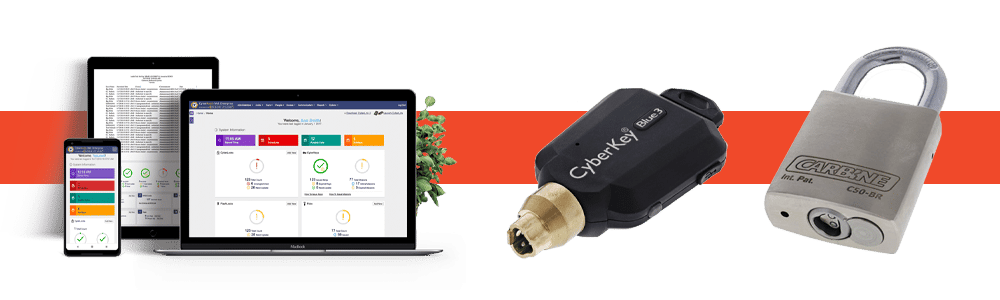
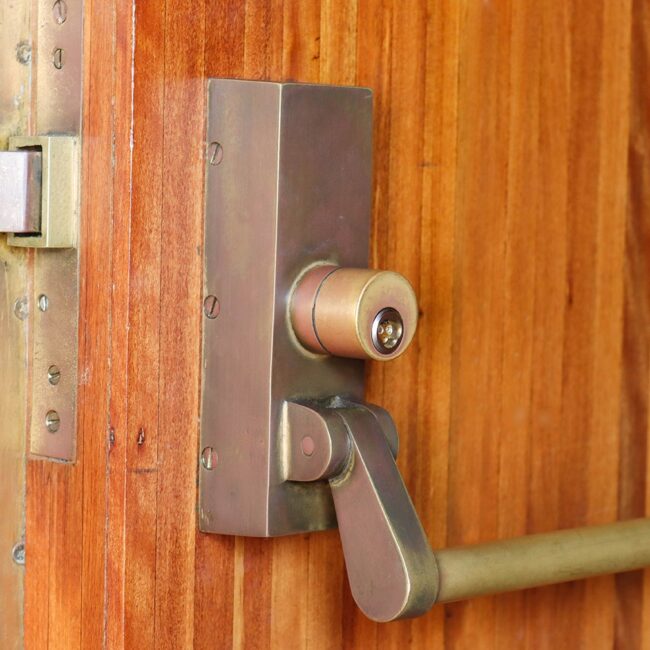
CyberLock electronic cylinders retrofit directly into existing mechanical hardware, preserving the building’s aesthetics and structural integrity. Each lock is powered by a programmable CyberKey that carries individual permissions, access schedules, and expiry dates. Because the system requires no wiring or permanent alteration, it can be installed seamlessly in heritage environments where conservation rules are strict. If a key is misplaced or a staff member leaves, access can be revoked instantly, removing one of the biggest risks in traditional key systems.
Fast, Non-Invasive Installation
CyberLock’s wireless architecture not only protects the integrity of heritage buildings but also accelerates deployment and reduces costs. Because there is no need for cabling, drilling, or external power, existing locks can be upgraded in minutes instead of hours or days. This non-invasive approach minimises disruption to staff, visitors, and operations, making it ideal for active heritage sites such as museums, galleries, or performing arts venues that cannot afford downtime. With lower labour requirements, no structural modification, and rapid commissioning, CyberLock provides a secure, modern access control solution that is both efficient and cost-effective.
Accountability Through Audit Trails
Every interaction between a CyberKey and lock is logged automatically, creating a detailed access record. This data helps administrators manage staff and contractor access, supports incident investigations, and demonstrates compliance with heritage protection and security frameworks. By combining accountability with non-invasive installation, CyberLock gives heritage custodians the confidence to meet modern security standards without compromising preservation mandates.
Case Study: Sydney Opera House
The Sydney Opera House is one of the most recognisable landmarks in the world, welcoming over 11 million visitors each year. As a heritage-listed site and a major performing arts centre, it faces complex operational demands that include protecting assets, staff, and the public across multiple venues and backstage areas.
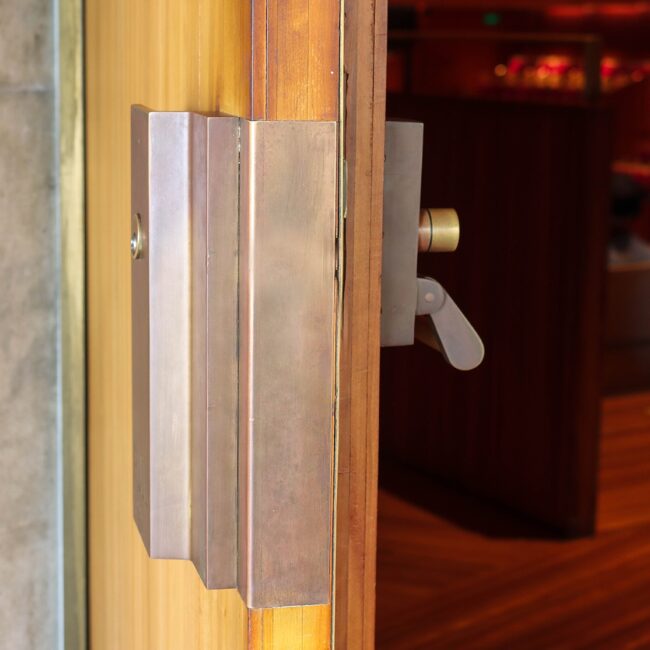
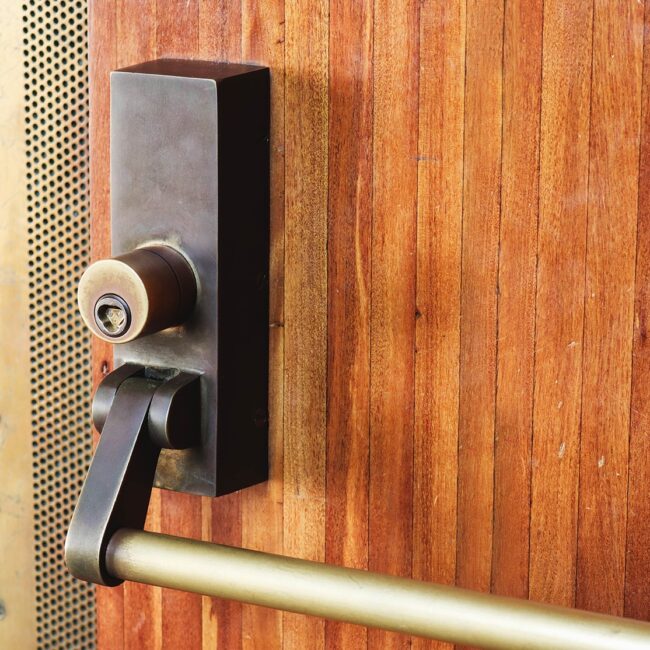
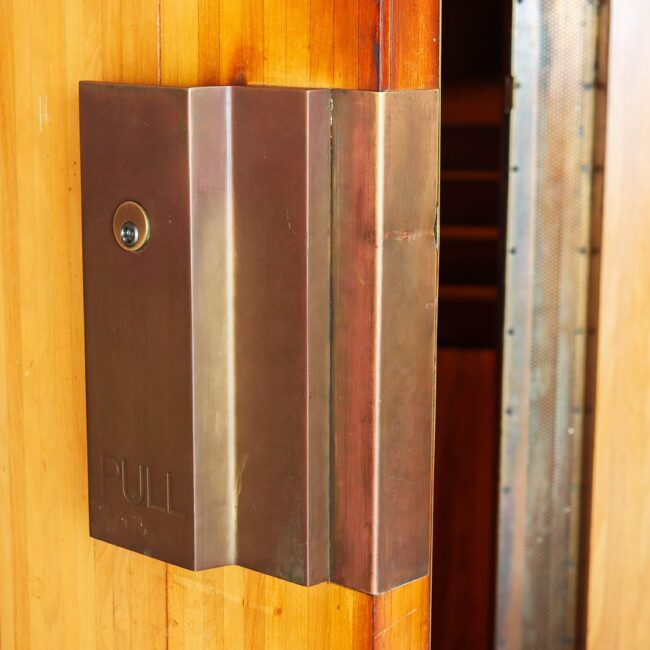
Since 2004, the Opera House has relied on the EKA CyberLock system to secure its operations. Customised cylinders were designed to fit existing Astra locks, maintaining the architectural integrity of the site while adding electronic functionality. Today, more than 2,000 locks and 750 CyberKeys are in use across the precinct.
In its most recent upgrade, the Opera House integrated CyberLock with its Gallagher access control network through the locally developed Sync Service. This integration allows seamless management of both systems from a single platform. Rechargeable CyberKeys replaced older battery models, introducing shared key capability and stricter activation periods to enhance flexibility and reduce risk.
To support efficient operations, CyberKey Vaults were installed across the venue. These intelligent cabinets program and dispense keys with individual access rights and automatically download audit logs when keys are returned. This upgrade has improved the Opera House’s ability to manage access dynamically, strengthened accountability, and reduced administrative workload for security teams.
The result is a fully integrated access control network that delivers security, adaptability, and heritage preservation in one system.
Why Heritage Sites Choose CyberLock
To read more detailed accounts of case studies, click below.
SYDNEY • MELBOURNE • BRISBANE • PERTH • ADELAIDE • AUCKLAND