



Access Control Systems
Securing Facilities with Smarter Access Control
Protecting assets, people, and infrastructure with modern access control solutions.
Controlling access through mechanical locks or hardwired access control is the backbone of physical security. Whether it’s a government office, commercial building, hospital, or utility substation, every facility relies on locking systems to manage who can enter, when and under what conditions. The challenge is that not all locks and systems are equal — and traditional approaches to access control often leave dangerous gaps.
Mechanical master key systems have long been the entry-level choice for facility security. They are inexpensive, reliable, and straightforward to install. However, they lack accountability — once a key is lost or duplicated, there is no way to track its use or revoke it. A single compromised key can undermine an entire organisation’s physical security plan.
On the other end of the spectrum, wired electronic access control systems provide audit trails and scheduling but are expensive to install, dependent on network infrastructure, and limited to fixed doors. For organisations managing geographically distributed or outdoor assets, such as gates, padlocks, or cabinets, traditional wired solutions are impractical.
This is where CyberLock access control systems provide a unique advantage.
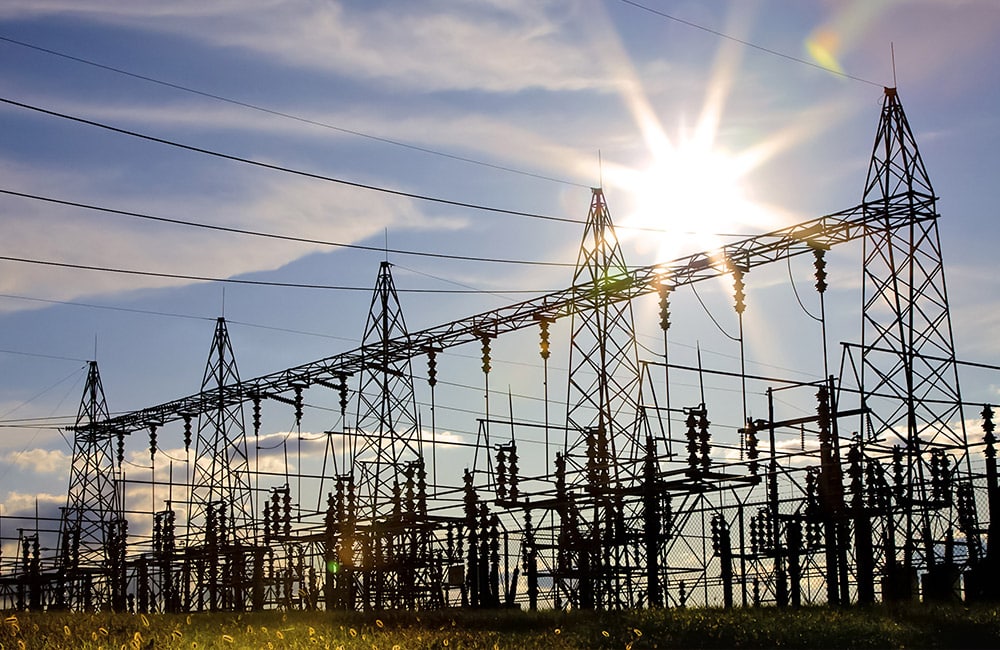
The most significant vulnerabilities to power facilities are the fact that they have assets and buildings that are geographically spread out, often in remote locations, and are exposed to the elements.
At the core of the system are CyberKeys — programmable electronic keys that deliver power to the lock upon connection. Each key can be individually configured with access rights, schedules, and expiration dates, ensuring users only access the locks they are authorised for, and only during specific times. This flexibility enables organisations to tightly control contractor access, manage rotating staff rosters, and enforce time-limited permissions without the risks associated with mechanical keys. If a CyberKey is lost or stolen, it can be instantly revoked from the system, rendering it useless and removing a common vulnerability found in traditional security setups.
Another key advantage of CyberLock is its ability to generate comprehensive audit trails. Every interaction between a key and a lock is recorded, providing managers with a clear record of who accessed which area and when. This not only enhances day-to-day accountability but also strengthens compliance with regulatory requirements, supports incident investigations, and demonstrates governance standards. For industries bound by strict frameworks such as ISO, SOCI, or PSPF, this level of visibility is invaluable.
Enter EKA CyberLock — the leading fully electronic electro-mechanical master key system. CyberLock combines the precision and high-security of an electronic access control system with the affordability and ease of a mechanical system making it an ideal solution for power facilities.
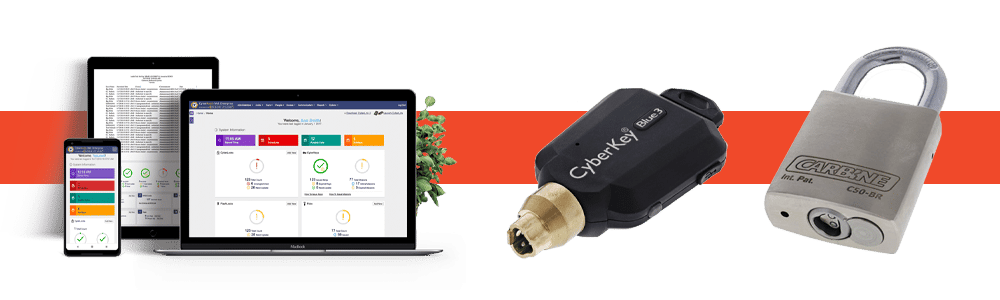
CyberLock hardware is also designed to perform in the most demanding conditions. Many industries, particularly energy, transport, and utilities, operate assets in remote or exposed locations where traditional wired systems are impractical. CyberLock cylinders and padlocks are rated to IP68, withstanding dust, moisture, corrosion, and extreme temperatures ranging from -40°C to +70°C. This rugged design ensures long-term reliability, whether securing an indoor server rack, an outdoor utility cabinet, or a substation access gate in a remote location.
For organisations seeking scalability, CyberLock grows alongside operational needs. A system can begin with a handful of locks and keys for a trial deployment and expand to thousands of cylinders across multiple regions, all managed centrally through CyberAudit software. Access permissions can be updated remotely via communicators or mobile applications, enabling real-time control across an entire network of sites. This scalability makes CyberLock ideal for councils, utilities, and infrastructure providers who need to secure both metropolitan facilities and widely dispersed rural assets under a single unified system.
The benefits of CyberLock extend beyond security alone — they also reduce operational complexity and cost. By eliminating the need for rekeying after lost keys, removing expensive cabling requirements, and consolidating multiple lock types under one electronic platform, organisations can achieve stronger security while improving efficiency. Over time, the system’s auditability and flexibility translate into measurable value, both in preventing breaches and in supporting compliance audits.
To read a more detailed account of the UPT Co case study, click below.
SYDNEY • MELBOURNE • BRISBANE • PERTH • ADELAIDE • AUCKLAND